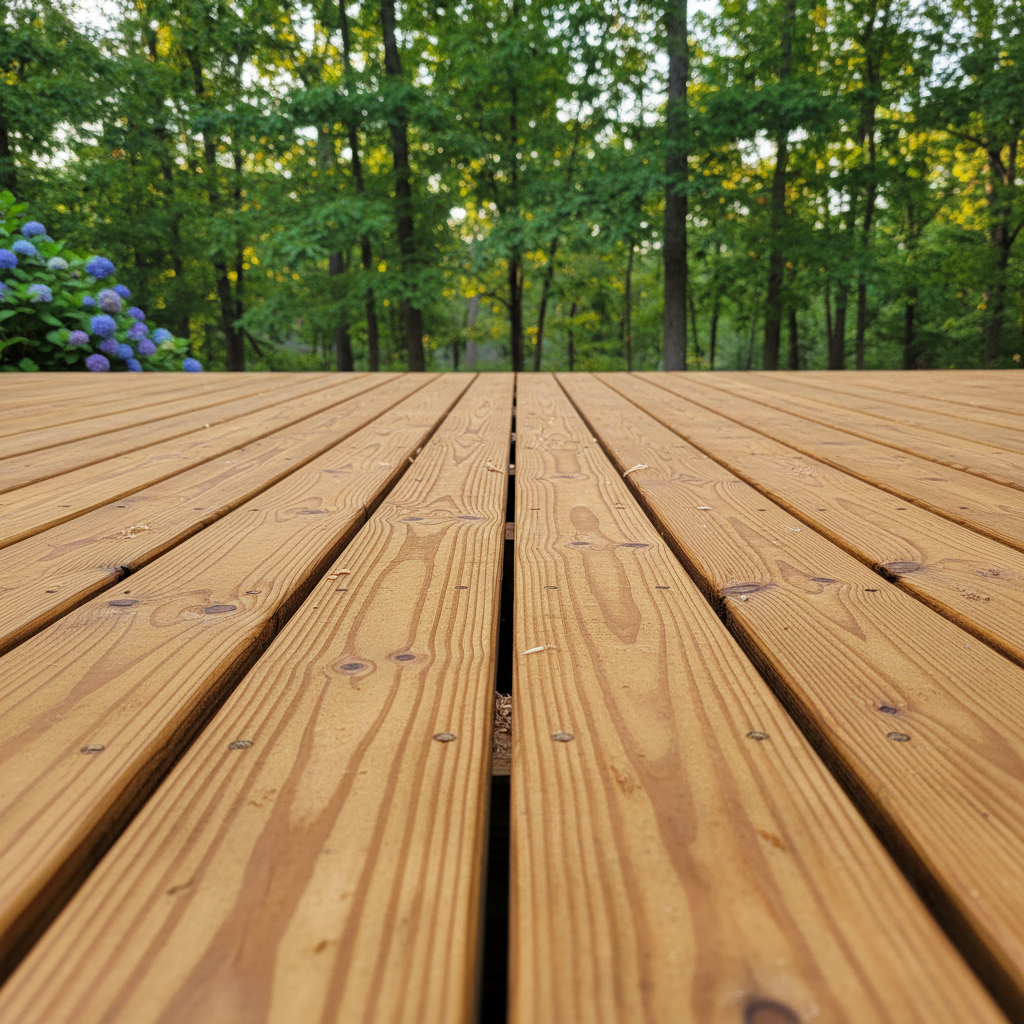
Alright, let's talk decks. Specifically, wooden decks. Around here in Clio, I see a lot of folks wanting to add a deck, or fix up an old one, and that's great. A good deck really extends your living space and adds value to your home. But before you grab a hammer or even start sketching, there are some things you just gotta know. It's not always as simple as slapping some boards down, especially with our hot, humid summers and that clay soil we've got around the Barbour County Lake area.
Before You Build: Planning & Permits
First things first: planning. Don't skip this. A deck isn't just a platform; it's a structure that needs to be safe and sound. You need to think about size, height, and how it'll connect to your house. Will it be big enough for your grill and a table? Do you want it low to the ground or high up with a view?
Then there's the permit. Yes, you'll almost certainly need one from the county or city, depending on where exactly you are in Clio. I know, paperwork is a pain, but it's there for a reason. It ensures your deck meets safety codes. Trying to build without one can lead to fines, having to tear it down, or problems when you try to sell your house later. A good contractor, like us at Paradise Deck Solutions, will handle all that permit stuff for you, but if you're going DIY, make sure you check with the local building department first. They'll tell you about setbacks, frost line requirements (yes, even in Alabama, footings need to be deep enough), and railing heights.
Material choice is big too. Pressure-treated pine is the most common and budget-friendly option around here. It's good stuff, but it needs regular maintenance. Cedar and redwood are beautiful but pricier and less common in our local lumberyards. Composites are another option, low maintenance but a bigger upfront cost. Think about your budget and how much time you're willing to spend on upkeep.
During the Build: DIY vs. Pro
So, you've got your plan and your permit. Now for the actual building. This is where you really need to be honest with yourself about your skills. Some parts of deck building are totally doable for a handy homeowner, while others are best left to the pros.
- Demolition: If you're tearing down an old deck, that's usually a pretty straightforward DIY job. Just be careful with nails and make sure the old structure isn't load-bearing for something else.
- Footings & Framing: This is critical. Get the footings wrong, and your deck will sag or heave. Get the framing wrong, and it won't be safe. If you're not confident with digging precise holes, pouring concrete, and making sure everything is perfectly level and square, call a pro. This isn't where you want to learn on the job.
- Decking Boards: Laying the actual deck boards? That's probably the most satisfying part and very DIY-friendly. Measure twice, cut once, use the right fasteners, and leave proper gaps for drainage and expansion.
- Railings & Stairs: Railings need to be sturdy and meet code requirements for height and spacing. Stairs need to be consistent in rise and run. These can be tricky to get right, especially if you're dealing with complex angles or curves. If you're unsure, a professional can make sure they're safe and look good.
My advice? If you're only building a small, low-to-the-ground platform deck, and you're comfortable with power tools and basic carpentry, you might be able to tackle it yourself. But for anything elevated, attached to your house, or complex, seriously consider hiring a licensed contractor. We've got the tools, the experience, and the insurance to do it right and safely.
After the Build: Maintenance is Key
Okay, your deck is built, and it looks great. Now what? Now you maintain it. This is where a lot of folks drop the ball, and that's how a beautiful deck turns into a rotten mess in just a few years. Especially with our Alabama weather, wood takes a beating.
Here's the basic rundown:
- Cleaning: Annually, usually in the spring, give it a good cleaning. A deck cleaner and a stiff brush, or a pressure washer on a low setting (be careful not to damage the wood fibers), will get rid of mold, mildew, and dirt.
- Sealing/Staining: This is the big one. Wood needs protection from UV rays and moisture. Most pressure-treated decks should be sealed or stained within a year of being built, then every 2-3 years after that, depending on the product and how much sun it gets. A good quality stain with UV protection will make a huge difference in the longevity and look of your deck.
- Inspections: Every year, walk around and inspect your deck. Look for loose fasteners, wobbly railings, splintering wood, or any signs of rot. Pay close attention to areas where wood meets the ground or where water tends to pool. Catching small problems early can save you a big headache (and expense) later.
- Keep it Clear: Don't let leaves and debris pile up on your deck, especially in corners or around posts. That traps moisture and encourages rot. Sweep it off regularly.
A well-maintained wooden deck can last for decades. Neglect it, and you'll be looking at costly repairs or even a full replacement much sooner than you'd like. It's an investment, so treat it like one. If you ever have questions or need a hand with repairs or maintenance, you know who to call. We're here to help Clio homeowners enjoy their outdoor spaces for years to come.